When you’re out on a job site, the brand name stamped on your mini loader or compactor isn’t what you’re thinking about. What really matters is that the gear fires up first go, works hard all day, and doesn’t conk out when you’re racing against the clock. The best heavy machinery manufacturers are the ones you forget about, because their equipment just works, powering Australia’s toughest industries from the mines to the suburbs.
The Power Behind Australia’s Toughest Jobs
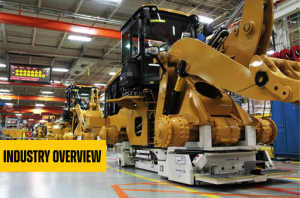 Whether you’re breaking ground on a new housing estate, running a farm, or managing an equipment hire fleet, the gear you use is the backbone of your business. The quality that a manufacturer builds into these machines has a direct impact on your profitability.
A well-made machine simply means more uptime and less money and time wasted on repairs. It means getting the job done quicker and more efficiently—a massive advantage in industries where deadlines are tight and the margins are even tighter.
Why The Right Manufacturer Matters
Picking equipment from a reputable manufacturer isn’t just about buying a piece of steel; it’s a serious investment in your business’s future. The top-tier brands understand the brutal Australian conditions we work in. They engineer their machinery to handle the heat, the dust, and the relentless workloads.
This obsession with durability is what really counts for sectors like:
- Construction and Earthmoving: Where rock crushers and concrete cutters for example, need to cop a beating and keep on going.
- Mining: Requiring seriously tough gear that can operate reliably in remote, punishing environments.
- Agriculture: Demanding versatile machines that can tackle a huge range of tasks.
- Machinery Hire: Where durability and simple maintenance are non-negotiable for keeping your fleet profitable.
These workhorses need a lot of looking after, including regular oil changes often coming out of 205L oil drums. A smart manufacturer knows this and designs their equipment for easy servicing, because they get that maintenance time is downtime.
This is where innovations like the Brüder LubeCube make a real difference. By making oil changes faster and safer, it slashes service time, cuts down on manual handling risks, and lowers your costs. It’s all about keeping your gear on the job, where it belongs. To see how the right equipment is changing the game, you can explore the new era of machinery for Australia.
Who Builds the Gear That Powers Australia?
When your livelihood depends on a piece of machinery, you need to trust the people who built it. You need to know they understand what you’re up against every single day. Here in Australia, the heavy machinery scene is a mix of global titans and highly focused European manufacturers, all fighting to prove their equipment can handle our notoriously tough conditions. This isn’t about fancy branding; it’s about a rock-solid reputation earned over decades in the dirt.
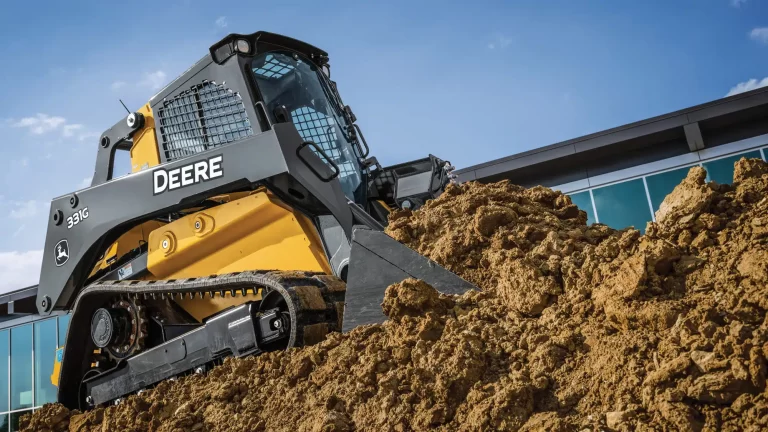
For the big earthmoving and construction gigs, names like Caterpillar, Komatsu, and John Deere are everywhere for a reason. These heavy machinery manufacturers have a long track record of building gear that’s not just tough, but reliable and backed by a massive service network. Their machines, from massive excavators right down to nimble mini skid steers, are built for sheer grunt and a long service life, which is why you see them on every major project across the country.
Specialised Equipment for Tough Jobs
Beyond the household names, a lot of savvy operators are now looking to specialised manufacturers who’ve perfected one thing. Think of brands like Batmatic, renowned for their bulletproof compactors and tamping rammers, or Dragon, who build compact yet powerful rock crushers that are a godsend on tight-access demolition or recycling jobs.
These specialists often bring a level of focused engineering that gives them a real advantage. They aren’t trying to be a one-stop-shop for every machine imaginable. Instead, they pour all their resources into creating best-in-class equipment for specific applications. For machinery hire businesses, this is a massive plus, as having a fleet of dependable, purpose-built machines is the cornerstone of profitability. A quality mini loader or tracked site dumper from a specialist can often run rings around a more generic machine from a larger manufacturer.
The Real Deal: Servicing and Support
It doesn’t matter how well-built a machine is; it’s only as good as the support structure behind it. For any business in mining, agriculture, or construction, the ease of getting parts and service is a deal-breaker. The best manufacturers get it: downtime doesn’t just cost money, it kills projects.
Any experienced fleet manager will tell you that easy maintenance is just as important as raw horsepower. If a machine is a nightmare to service, it’s guaranteed to cause costly delays and eat into your profits.
This is where thinking ahead about efficient maintenance really pays off. A system like the Brüder LubeCube, for instance, can completely change the game when it comes to servicing your fleet. It slashes the time, cost, and manual labour involved in wrestling with those huge oil drums, helping you get that tracked mini cement mixer or portable air compressor back out there and earning its keep. The future of machinery in Australia isn’t just about power; it’s about finding smarter, more efficient ways to keep that power working for you.
Future-Proofing Your Fleet with New Technology
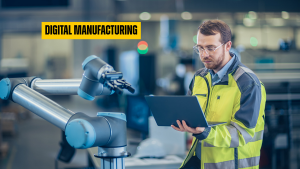 When we talk about the future of machinery, we’re not talking about science-fiction gadgets. We’re talking about real-world improvements that put money back in your pocket and get the job done quicker. The best heavy machinery manufacturers understand this perfectly. What really counts on a job site is better fuel efficiency, tougher components, and tech that’s genuinely useful—not just another gimmick.
For anyone in construction, mining, or agriculture, staying ahead of the curve means keeping a close eye on these developments.
Top-tier manufacturers are building equipment that simply works harder and smarter. This translates to engines that sip diesel instead of chugging it, beefier parts that push out service intervals, and intuitive controls that help your operators stay fresh. Think about it: a single mini skid steer with advanced attachments can do the work of three separate machines. That’s a massive saving in time, transport costs, and wages.
These aren’t just minor tweaks. It’s a fundamental change in how equipment is designed, all aimed at boosting your business’s bottom line.
Smarter Machines for a Growing Australia
This drive for better gear couldn’t be happening at a better time. Australia’s cities are expanding and massive infrastructure projects are getting underway, which means the demand for solid, reliable machinery is only going to increase.
In fact, the Australian construction machinery market is projected to hit AUD 4.44 billion in 2025 and is expected to climb to AUD 5.24 billion by 2030. That sort of growth tells you just how critical this equipment is to the country’s development. For a deeper dive into these numbers, you can explore detailed insights on Australia’s construction machinery market.
As demand ramps up, so does the pressure to be more efficient. This is where practical technology really shines. It’s not about the flashy touchscreens; it’s about features that make a tangible difference to your workday.
- Versatile Attachments: A mini loader that can swap from a trencher to a rock breaker in minutes keeps your operation nimble and profitable.
- Fuel Efficiency: Every litre of fuel saved goes straight to your bottom line. It’s a huge win, especially for anyone in the machinery hire game.
- Simplified Servicing: Gear that’s designed for easy maintenance means less downtime in the workshop and more time on-site, earning its keep.
Keeping Your Fleet Working Harder
At the end of the day, future-proofing your fleet is all about making smart decisions that will pay you back for years to come. It means looking past the initial price tag and considering how a machine will perform over its entire life. For equipment running on 205L oil drums, for example, efficient servicing becomes a massive factor in its overall profitability.
Choosing a machine that is easy to maintain is just as important as choosing one with a powerful engine. Every hour saved on servicing is another hour your equipment is on the job, earning its keep.
This is where clever gear like the Brüder LubeCube comes in. It turns the messy, back-breaking job of changing oil from large drums into a process that’s quick, clean, and safe. By slashing service time, cutting costs, and reducing manual handling risks, it helps keep your mini skid steers, tracked site dumpers, and compactors ready to roll at a moment’s notice. Staying across these sorts of practical innovations is key to ensuring your fleet stays competitive and profitable.
Why Smart Servicing and Maintenance Matter Most
On any job site, whether it’s a sprawling mine or a tight suburban block, the real enemy isn’t the rock-hard ground or a looming deadline—it’s downtime. Every hour a machine sits idle in the workshop is an hour it’s not earning its keep. The sharpest heavy machinery manufacturers know this better than anyone, which is why they’re now designing gear with smart, efficient servicing at the front of their minds.
A well-designed machine isn’t just about horsepower; it’s about how quickly you can get it serviced and back to work. For operators in construction, mining, and earthmoving, this focus on maintenance is a game-changer. It means less time wrestling with hard-to-reach filters and more time making progress on the job.
The Challenge of Big Machinery Upkeep
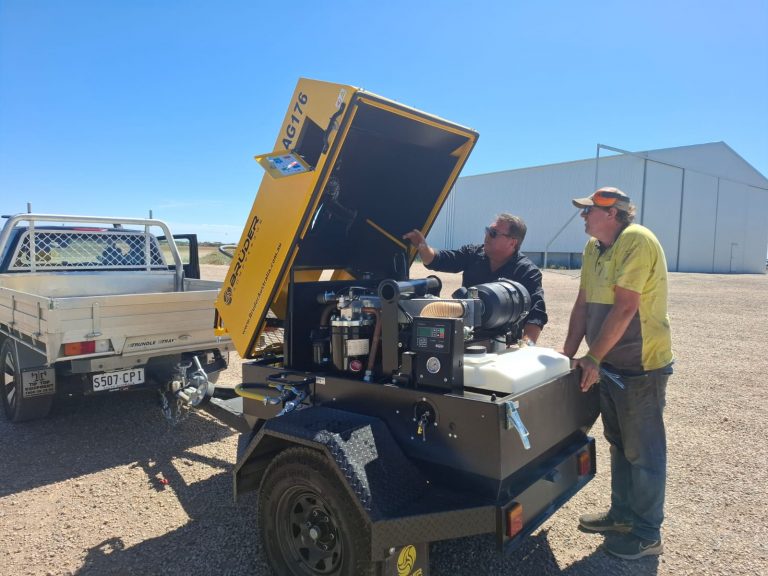
The bigger the machine, the bigger the service requirements. Many workhorses like tracked site dumpers, mini skid steers, and portable air compressors rely on 205L oil drums for their hydraulic and engine oil changes. Anyone who’s handled these drums knows they are a massive pain—they’re heavy, awkward, and present a real manual handling risk.
Moving a 205L drum across a busy workshop or a muddy site is slow, messy, and downright dangerous. The traditional method of using hand pumps is inefficient and often leads to costly spills, contaminating both the workshop floor and the fresh oil. This old-school approach directly eats into your profit margins through wasted time, wasted product, and the ever-present risk of injury.
Matching the Right Machine to the Right Industry
Picking the right piece of heavy machinery isn’t just about comparing spec sheets. It’s about finding the perfect tool for the job at hand. The best manufacturers get this. They know that the demands of a gritty mine site are worlds apart from a residential landscaping project.
Because of this, they engineer machines to solve the real, on-the-ground problems that Australia’s key industries face every single day. A rock crusher built for a quarry needs a completely different kind of resilience compared to a nimble mini loader destined for a farm. This industry-specific focus is what really sets the great manufacturers apart. They understand what their customers are up against and design their gear to handle it.
Gear for the Dirt Movers and Builders
In construction and earthmoving, it’s all about brute force and the ability to take a beating. When you’re digging foundations or clearing land, you need gear that can handle punishment day in and day out. This is where machines like powerful tracked site dumpers and rugged compactors become essential.
Manufacturers who specialise in this area are obsessed with durability. They use high-tensile steel, reinforce their chassis, and fit powerful engines built for long, hard hours under load. A concrete cutter has to slice through reinforced slabs without skipping a beat, and that’s only possible if every component is built for maximum resilience.
Machines for Mining and Machinery Hire
The mining industry needs equipment that is unbelievably tough and simple to service, often in the middle of nowhere. Here, reliability isn’t just a nice-to-have; it’s a critical matter of safety and keeping the whole operation running. It’s a similar story for the machinery hire industry, where the entire business model depends on the durability and uptime of its fleet.
For these sectors, manufacturers have to prioritise:
- Simple Maintenance: Gear must be straightforward to service, especially when you’re dealing with 205L oil drums on an isolated site.
- Robust Construction: The machines are expected to withstand punishing conditions without constant breakdowns.
- Versatility: For hire companies, a mini skid steer with a whole suite of attachments is far more profitable than a machine that only does one thing.
Equipment for Aussie Farms
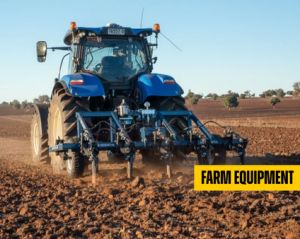 Agriculture calls for a different kind of workhorse—one that blends strength with agility. Farmers need versatile machines like mini loaders and a wide range of skid steer attachments to tackle everything from shifting hay bales to digging new fence lines. The manufacturers that cater to the agricultural sector focus on creating multi-functional equipment that delivers genuine value for money.
The future of all these industries is directly linked to the quality of the equipment they use. As Australia’s infrastructure pipeline grows, so does the demand for top-tier machinery. The construction equipment market in Australia was valued at AUD 2.93 billion in 2024 and is projected to hit AUD 3.70 billion by 2033.
The best machine is one that feels like it was built specifically for your job. That’s the mark of a manufacturer who truly understands the industry they’re serving.
At the end of the day, keeping this gear running is what matters most. An efficient servicing plan, backed by smart tools like the Brüder LubeCube for quicker oil changes, is essential for keeping your productivity high. Just as important is having ready access to reliable parts, which is why choosing the right suppliers is a make-or-break decision. To help with that, check out our guide on finding Australia’s best construction machinery parts suppliers.
Common Questions About Heavy Machinery
When you’re shelling out for the gear that keeps your business running, it’s only natural to have a few questions. Getting straight answers about heavy machinery manufacturers and their equipment is the first step to making a smart investment. Here are some of the most common questions we hear from blokes on the ground.
What Should I Prioritise When Choosing a Manufacturer?
Look past the machine’s specs and zero in on three things that really matter: parts availability, after-sales support, and how easy it is to maintain. A fantastic machine from a manufacturer with a shoddy support network in Australia can quickly turn into your biggest headache, especially in the mining or earthmoving game.
Your best bet is to find brands with a strong local dealer network and a rock-solid reputation for reliable service. Think about it—a rock crusher that’s down for a week while you wait on a part from overseas is just a very expensive paperweight.
How Important Is Technology in New Heavy Equipment?
My advice? Focus on practical tech that actually makes your life easier. We’re talking about things like telematics to track service intervals on a tracked site dumper, fuel-efficient engines that slash your running costs, and simple, user-friendly controls. That’s where you’ll find real value.
Don’t get dazzled by flashy, complex features you’ll never end up using. The best technology is the kind that makes the job easier and more profitable, not more complicated.
The most reliable sign of a good manufacturer is that they build gear for the real world, not just a showroom. Their equipment is designed to be serviced, repaired, and put back to work with minimal fuss.
This practical mindset is crucial. The market will always have its ups and downs, but the need for dependable machinery never goes away. The mining and construction machinery manufacturing sector in Australia had a market size of around AUD 4.9 billion in 2025. Even with a slight dip, the demand for high-performing equipment is constant. You can read more about the Australian machinery manufacturing market to get a better sense of these trends.
Are Lesser-Known Brands Worth Considering for My Fleet?
Absolutely, some lesser-known or newer brands can offer fantastic value and clever designs, but you need to do your homework. Dig deep into their local support, hunt down reviews from other Aussie operators, and make sure their parts supply chain is solid. A cheap upfront cost on a mini skid steer is always tempting, but it’s the long-term reliability that truly determines a machine’s worth.
For industries like machinery hire or construction, uptime is everything. A machine that’s easy to service, especially when you’re wrestling with 205L oil drums, will save you a fortune in the long run. Tools like the Brüder LubeCube are designed to streamline this exact process, cutting down service time and manual handling dramatically. By thinking about efficient maintenance from day one, you ensure your gear—no matter the brand—stays on the job and earns its keep.
For machinery that offers a genuine performance edge, trust the experts at Machtig Mobile Equipment. We source premium European machinery and attachments built for tough Australian conditions. Find out how we can help elevate the efficiency and quality of your next job at https://www.machtigequipment.com.au.